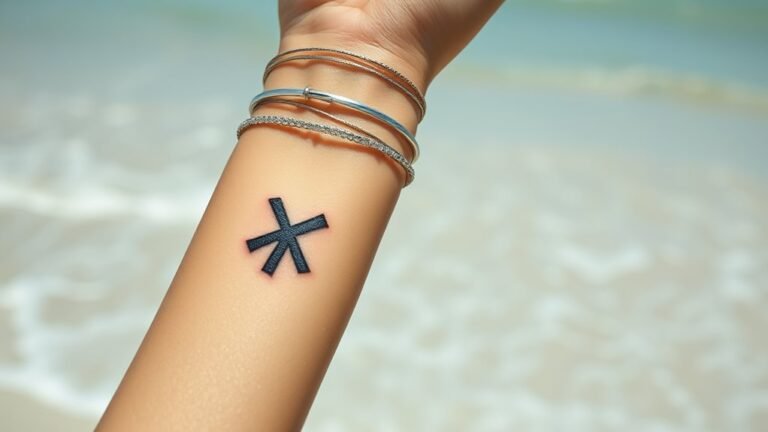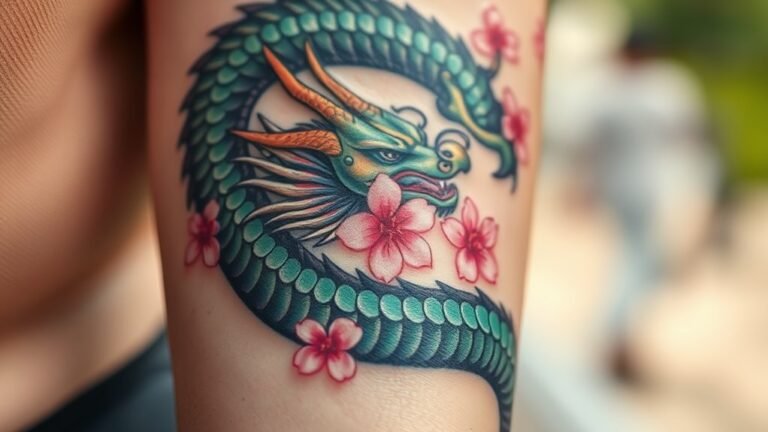
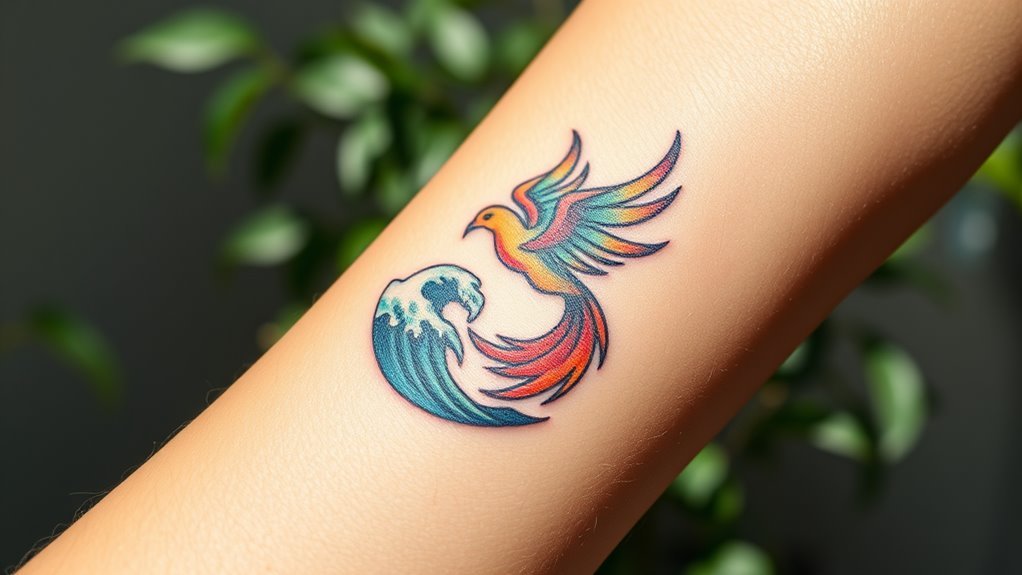
Tattoo Meaning Mental Health and Symbolism
When you think about tattoos, what comes to mind? For many, these inked designs aren't just art; they're profound symbols of mental health journeys. Each tattoo can tell a story of struggle, resilience, or rebirth, serving as both a personal reminder and a beacon of hope. As societal views shift, more individuals are embracing their stories through body art, creating a tapestry of shared experiences. But what do these symbols really mean, and how do they connect us in ways we might not expect? The answers might surprise you.
In a Nutshell
- Tattoos can symbolize personal journeys, serving as reminders of resilience and transformation in mental health narratives.
- Common designs like the semicolon and lotus flower represent hope, rebirth, and continuity in overcoming mental health challenges.
- Cultural influences shape tattoo meanings, with designs reflecting bravery, protection, or heritage, deepening personal significance.
- Tattooing offers empowerment and closure, allowing individuals to express their stories and celebrate their identities through art.
- Tattoo communities foster support and connection, providing spaces for shared experiences and collective healing among those with similar mental health struggles.
The Connection Between Tattoos and Mental Health
While many people view tattoos as mere body art, they often carry deeper meanings that can greatly impact mental health.
You might find that getting a tattoo can serve as a form of tattoo therapy, helping you process emotions, commemorate experiences, or express your identity. This creative outlet can foster a sense of belonging, especially in communities that embrace body art.
Additionally, as stigma around tattoos continues to fade, you may feel more comfortable sharing your story and connecting with others who've similar experiences.
Common Tattoo Symbols and Their Meanings
Tattoos often embody personal stories, and the symbols you choose can reflect significant aspects of your journey. Each symbol carries its own symbolic significance, allowing for deep personal expression.
For instance, a lotus flower represents rebirth and resilience, while a semicolon signifies hope and continuation, especially in mental health narratives. A compass may symbolize guidance and finding your way, while anchors can represent stability in turbulent times.
These tattoos not only serve as reminders of your strength but also connect you to others who resonate with similar experiences. By understanding the meanings behind these common symbols, you can choose a tattoo that truly reflects your unique path and fosters a sense of belonging within a broader community.
Personal Stories Behind Mental Health Tattoos
Personal tattoos often tell powerful stories, especially those related to mental health. Each inked design can reflect your personal experiences and symbolize transformative journeys.
You might choose a butterfly to represent your struggle with anxiety, illustrating how you emerged stronger. Or perhaps a semicolon tattoo resonates with your battle against depression, serving as a reminder that your story isn't over.
These tattoos connect you to others who share similar challenges, fostering a sense of belonging. When you see others with similar ink, it's a silent acknowledgment of shared experiences, reducing feelings of isolation.
Ultimately, your mental health tattoo becomes a beacon of hope, celebrating resilience and growth, while also reminding you that you're not alone in this journey.
Cultural Perspectives on Tattoo Symbolism
As cultures evolve, the symbolism behind tattoos often deepens, reflecting the values and beliefs of different communities.
You might notice that cultural influences play a significant role in how tattoos are perceived and what they represent. For instance, in Polynesian cultures, tattoos signify bravery and heritage, while in Japanese culture, they can symbolize protection and good fortune.
These symbolism variations highlight the uniqueness of each culture and the shared human experience of expressing identity.
When you choose a tattoo, consider its cultural roots and the message it conveys. This understanding can foster a sense of belonging, connecting you with a broader narrative that transcends individual stories, and emphasizing the rich tapestry of human expression through body art.
The Therapeutic Benefits of Tattooing
When you consider the act of tattooing, it becomes clear that it can serve as a powerful form of self-expression and healing. Many find that the process offers therapeutic expression and emotional release, allowing them to channel their feelings into something meaningful.
Here are some benefits that might resonate with you:
- Empowerment: Taking control of your body and narrative.
- Closure: Marking significant life changes or losses.
- Identity: Celebrating your unique story and experiences.
- Connection: Sharing your journey with others who understand.
- Artistry: Transforming pain into a beautiful expression.
Through these aspects, tattooing can act as a profound tool for personal growth, fostering resilience and a sense of belonging.
Community and Support Through Tattoos
While some may view tattoos solely as a form of personal expression, they often foster a deep sense of community and support among individuals.
When you become part of tattoo communities, you discover a shared space where experiences and stories intertwine. These supportive networks can help you navigate your mental health journey, providing understanding and acceptance.
It's empowering to connect with others who've faced similar struggles or celebrate triumphs through their ink. Whether it's a group on social media or a local tattoo event, these connections can remind you that you're not alone.
Tattoos become symbols of resilience, and in sharing your journey, you create bonds that uplift and inspire, reinforcing the idea that healing is often a collective experience.
Choosing the Right Design for Healing
Finding the right tattoo design can be a deeply personal journey, especially when it's tied to healing.
It's crucial to choose a design that resonates with your experiences and reflects your healing journey. Consider what each element symbolizes to verify it holds design significance for you.
Here are some aspects to think about:
- Personal symbols or imagery that represents your struggles
- Quotes or phrases that inspire and uplift you
- Colors that evoke specific emotions or memories
- Nature motifs that symbolize growth and renewal
- Designs that connect you to a community or shared experience
Take your time exploring different options.
The perfect tattoo can serve as a constant reminder of your strength and resilience, fostering a sense of belonging in your healing process.
Tattoo Aftercare and Mental Well-being
Although the excitement of getting a new tattoo can be overwhelming, proper aftercare is crucial for both your skin's health and your mental well-being.
Caring for your tattoo during the healing process not only helps prevent complications but also allows you to fully embrace its emotional expression. As your tattoo heals, take time to reflect on its significance in your life.
Creating a routine for aftercare—keeping it clean, moisturized, and protected—can foster a sense of belonging to your body and your journey. This mindfulness can enhance your emotional connection to the art, reinforcing its role in your healing.
Inspiring Examples of Mental Health Tattoos
When you choose a tattoo that reflects your mental health journey, it can serve as a powerful reminder of your resilience and growth. Inspirational designs often resonate with personal journeys, creating a sense of belonging and understanding.
Here are some meaningful tattoo ideas that others have embraced:
- Semicolon: Symbolizes hope and continuation despite struggles.
- Lotus flower: Represents rebirth and rising from challenges.
- Infinity symbol: Reflects enduring strength and limitless potential.
- Butterflies: Signify transformation and personal evolution.
- Quotes: Short phrases that inspire you daily.
Each tattoo tells a story, connecting you to a community that understands and supports your experiences.
Embracing these designs fosters healing and empowers you to share your journey with others.
Frequently Asked Questions
Are There Specific Colors Associated With Mental Health Tattoos?
Yes, specific colors often carry strong meanings. For instance, blue symbolizes calmness and peace, while green represents growth and healing. Understanding color symbolism can deepen your tattoo's meaning, fostering a sense of connection and personal expression.
Can Tattoos Impact Mental Health Negatively?
Yes, tattoos can impact mental health negatively. You might experience tattoo regret or emotional triggers, especially if the tattoo reminds you of difficult times. It's crucial to reflect on your choices before committing to body art.
How Do I Find a Tattoo Artist Specializing in Mental Health Designs?
To find a tattoo artist specializing in mental health designs, explore artist portfolios online. Look for tattoo inspiration that resonates with you, and don't hesitate to reach out for consultations to discuss your vision and feelings.
What Are the Historical Origins of Tattooing for Mental Health?
Tattooing's historical origins reveal deep cultural significance, rooted in ancient practices. You'll find these marks often symbolized personal stories and communal bonds, reflecting a journey toward belonging and healing in various societies throughout time.
Are There Age Restrictions for Getting Mental Health Tattoos?
Yes, there are age limits for getting tattoos, often requiring parental consent if you're under 18. It's crucial to discuss your feelings and intentions with your parents to guarantee a supportive experience.